Thank you for Subscribing to Eldercare Review Weekly Brief
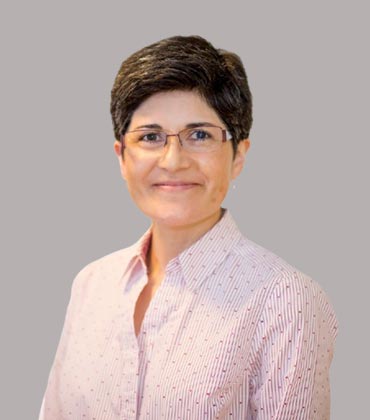 Paula Muller, Founder
Designing for Effortless Connection
The inspiration for CareLink360 came from a deeply personal experience with our own families.
I grew up in Chile, and my husband grew up in Switzerland. As long-distance caregivers, we both experienced the challenges of watching our parents grow older while living thousands of miles away. We wanted to stay connected, share everyday moments and be present in their lives despite the distance.
But we noticed something troubling, as our parents aged, the very technology designed to bring people together was becoming a source of frustration and, ultimately, isolation. Smartphones, tablets, passwords and constantly changing applications were creating barriers instead of building bridges.
I knew there had to be a better way.
That realization became the starting point for CareLink360. My vision was to create technology that adapts to older adults, rather than expecting older adults to adapt to technology. Something so intuitive and effortless that they wouldn't need to learn anything new they could simply use it, enjoy it, and experience the joy of connection.
Today, that vision extends far beyond connecting families. CareLink360 empowers caregivers and care organizations to bring meaningful engagement, personalized support, and peace of mind into the daily lives of older adults, including those who have never used digital technology.
Because I believe that growing older should never mean growing disconnected and technology should bring us closer, not leave anyone behind.
Technology That Adapts to Aging
One of the most important lessons I learned while developing CareLink360 is that technology designed for older adults must address four fundamental aspects of aging, Vision, Hearing, Dexterity and Cognition.
As we age, our abilities change, but mainstream technology rarely changes with us. Instead, it expects us to adapt to increasingly complex interfaces, gestures, passwords and applications.
Vision: Aging often affects our ability to distinguish details and contrast. Larger text, bigger icons, high-contrast displays, and uncluttered screens are essential, not optional.
Hearing: Approximately one in three Americans between 65 and 74 experiences hearing loss and nearly half of those 75 and older have difficulty hearing. Technology must provide clearer, louder sound so conversations remain enjoyable rather than frustrating.
Dexterity: Gestures we take for granted, swiping, scrolling, pinching, dragging or zooming can become significant obstacles. Arthritis, Parkinson's disease, reduced motor coordination, and even changes in skin conductivity can make touchscreens difficult to operate. Technology should require minimal interaction, with simple, forgiving touch controls and alternatives such as a stylus when appropriate.
Cognition: Perhaps the most overlooked challenge is cognitive change. Declining memory, attention, visuospatial abilities, and executive function can make navigating applications or remembering sequences of actions overwhelming. For someone living with cognitive impairment, even entering a password or finding the right application can become an insurmountable barrier.
These insights fundamentally shaped how we designed the CareLink360 Digital Health Companion. We eliminated unnecessary complexity, no usernames or passwords for the older adult to remember, no complicated menus, no keyboards and no sophisticated gestures. Instead, we created a dedicated, single-purpose device with large, intuitive icons, powerful speakers and simple interactions that make connection and engagement effortless.
But another important dimension matters, families and professional caregivers should not have to navigate multiple disconnected technologies to support one person. Technology should bring communication, meaningful engagement, reminders, wellness support, and care coordination together in a simple, connected experience.
-
When Technology Becomes a Barrier, CareLink360 Becomes the Bridge.
Ultimately, I believe we need to rethink what innovation means in aging. True innovation is not about adding more features or making technology more sophisticated. It is about removing barriers and making technology accessible to everyone, regardless of age, physical ability or cognitive capacity.
At CareLink360, our guiding principle is simple: the best technology is the technology that older adults can enjoy without ever feeling they have to learn how to use it.
Support Without Surveillance
I firmly believe that greater connectivity should never come at the expense of an older adult's independence, dignity or privacy. Technology should empower people, not take control away from them.
At CareLink360, privacy, security, autonomy, and dignity have guided our design from the very beginning.
That's why we created a secure, closed system in which the older adult is considered a "protected person." Only trusted individuals approved by the older adult and their family can connect and interact with them. Unlike traditional monitoring systems, CareLink360 is not designed to watch or listen to someone throughout the day. The device's camera and microphone are activated only during video calls; otherwise, they remain disabled.
We also recognize that autonomy is not static; people's needs and abilities change as they age. For older adults who prefer to control their interactions, video calls can be configured so they decide whether to accept them. However, as cognitive decline progresses, remembering how to answer a call may become difficult. In those situations, families can use our automatic-answer feature, allowing familiar faces and voices to reach their loved ones without requiring them to navigate technology. Even then, the camera's restricted viewing angle helps preserve personal privacy and dignity.
But protecting dignity goes far beyond security settings. It also means recognizing what each person can do, rather than focusing on what they can no longer do.
At CareLink360, we embrace a person-centered, strengths-based approach to care. We believe older adults should continue making choices, exploring their interests, exercising their abilities, and enjoying meaningful activities for as long as possible. As their cognitive or physical abilities change, the support and activities available to them should evolve accordingly, encouraging engagement without creating frustration or taking away their sense of independence.
This is especially important for people living with dementia. A diagnosis should never define a person's capabilities or diminish their right to joy, connection and self-expression.
Ultimately, the goal of technology in senior care should not be to monitor every moment of someone's life, but to make those moments safer, more meaningful and more connected.
At CareLink360, we believe the most compassionate technology provides support when needed, preserves independence whenever possible and always respects the person behind the care.
Making Technology Part of Everyday Care
Based on my experience, the biggest barrier to integrating technology into senior care is not the technology itself, it is the willingness to embrace change.
Senior care organizations have established routines, workflows and ways of delivering care. Introducing new technology requires more than installing devices or training employees. It requires a mindset shift and a willingness to rethink how care is delivered, how teams work together, and how organizations engage with older adults and their families.
This is especially true with CareLink360, because connection and meaningful engagement are not simply features of our technology, they are fundamental to better care. To realize its full potential, the entire organization must embrace it, from executive leadership to the caregivers and staff members interacting with older adults every day.
When technology becomes part of an organization's culture and daily operations, the impact can be transformative. Caregivers discover new ways to engage and support their clients, families feel more connected and reassured and organizations can improve operational efficiency while differentiating their services.
We also recognize that care organizations are already stretched thin. They cannot afford to introduce technology that creates additional work or complexity.
That's why we designed CareLink360 to be more than a technology solution. We built an operational partnership around it. Our service includes standardized operating procedures, device deployment and setup, staff orientation and training, ongoing utilization monitoring, reporting and operational support. We also provide marketing materials that help organizations communicate CareLink360's value to families, referral partners, and their communities.
Our goal is to remove the burden of implementation, accelerate adoption and help organizations begin realizing measurable value as quickly as possible.
Ultimately, successful technology adoption is not measured by how many devices an organization deploys, but by how effectively those devices become part of everyday care and improve people's lives.
At CareLink360, we don't simply provide technology. We help organizations transform the way they connect, engage and care for older adults.
Shaping the Future of Proactive Senior Care
I believe technology will fundamentally reshape the future of senior care and we are only beginning to discover what is possible.
As our population ages and the demand for care continues to grow, technology will become essential, not only to help older adults live longer, but to help them live better.
The opportunities are extraordinary. From fall detection and safety monitoring to companionship, meaningful engagement, cognitive stimulation, personalized support and chronic disease management, technology can help older adults maintain independence, improve quality of life, and stay connected to the people and activities that matter most.
Artificial intelligence will play a particularly transformative role. Imagine technology that learns an individual's routines, preferences, abilities, and changing needs. Technology that can recognize subtle changes in well-being, identify potential risks before they become crises, and recommend personalized interventions to families and care teams. Instead of reacting to problems after they occur, we will increasingly anticipate needs and provide proactive, preventive and highly personalized care.
At CareLink360, this is the future we are working toward, moving beyond simple connectivity to intelligent, personalized support that evolves with each person throughout their aging journey.
But I also believe something equally important, Technology should never replace the human touch. It should amplify it. It should empower caregivers, help families remain involved regardless of distance, and give care professionals the insights and tools they need to deliver more compassionate, effective care.
We are entering an exciting new era in which technology can help transform senior care from a predominantly reactive model into one that is proactive, preventive, connected and truly person-centered.
The opportunities are virtually endless, but our ultimate goal should remain remarkably simple: to help people age with dignity, independence, purpose and joy.
That is the future we envision at CareLink360, and it is what drives our mission to Change the Way the World Ages.
Company :
CareLink360
Management Paula Muller, Founder
Description
I grew up in Chile, and my husband grew up in Switzerland. As long-distance caregivers, we both experienced the challenges of watching our parents grow older while living thousands of miles away. We wanted to stay connected, share everyday moments and be present in their lives despite the distance.